Morning Breath: Why you may have bad breath when you wake up. 

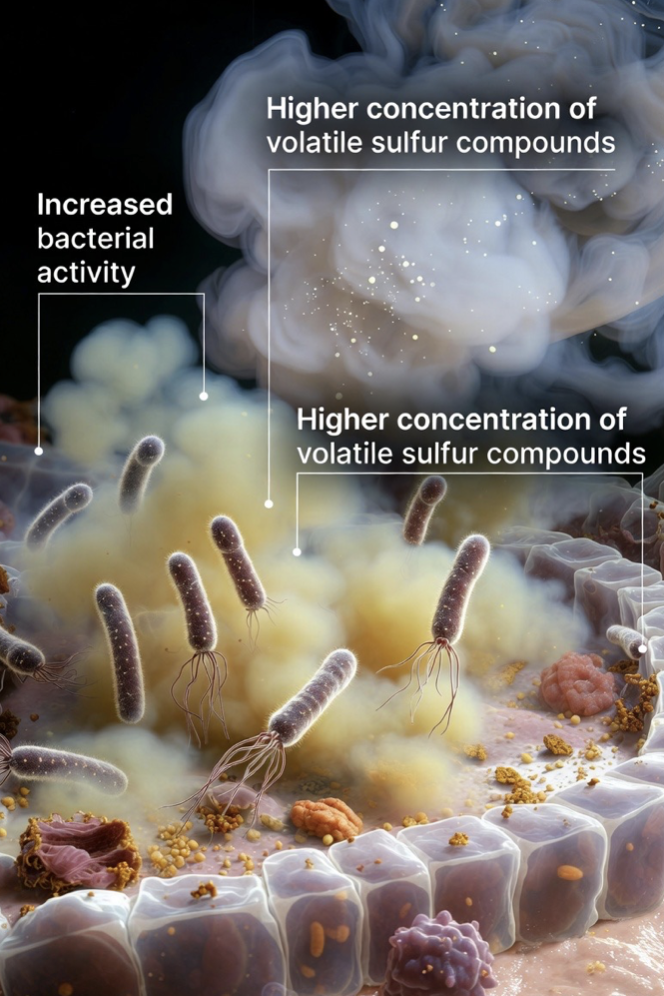
Overnight, you have reduced saliva flow in your mouth. This allows bacteria to multiply faster and food residue to stagnate and not get washed away. Increased microbial activity due to the decrease in saliva action overnight results in greater release of volatile sulfur compounds causing bad breath.  If you don’t brush your teeth before going […]
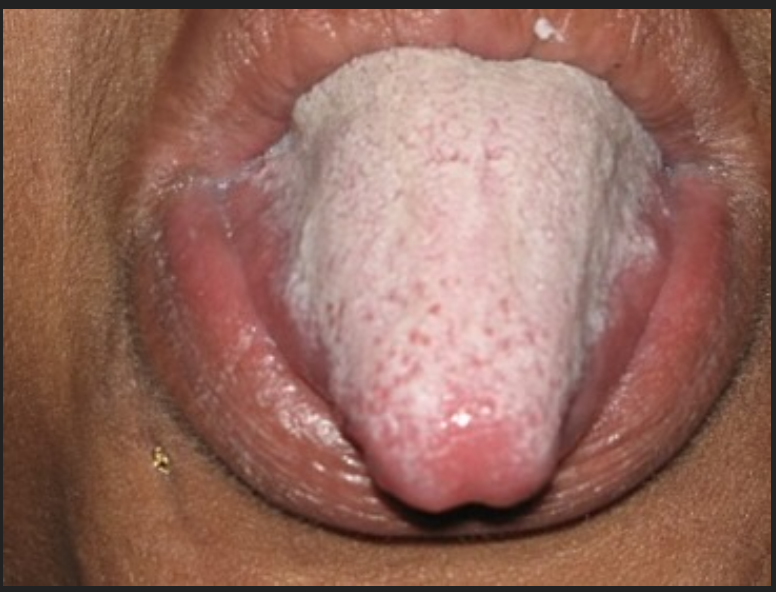
The Five Different Types of Bad Breath according to the latest research by Aydin.

Type 1 (oral halitosis) also termed oral malodor:  Originates from the oral cavity due to bacterial metabolism.    Type 2 halitosis (airway): Originates in the airway (nose, throat, tissues of the windpipe)   Type 3 halitosis (gastroesophageal) : Originates from the stomach.   Type 4 halitosis (blood-borne) : Originates from dissolved substances in the bloodstream […]

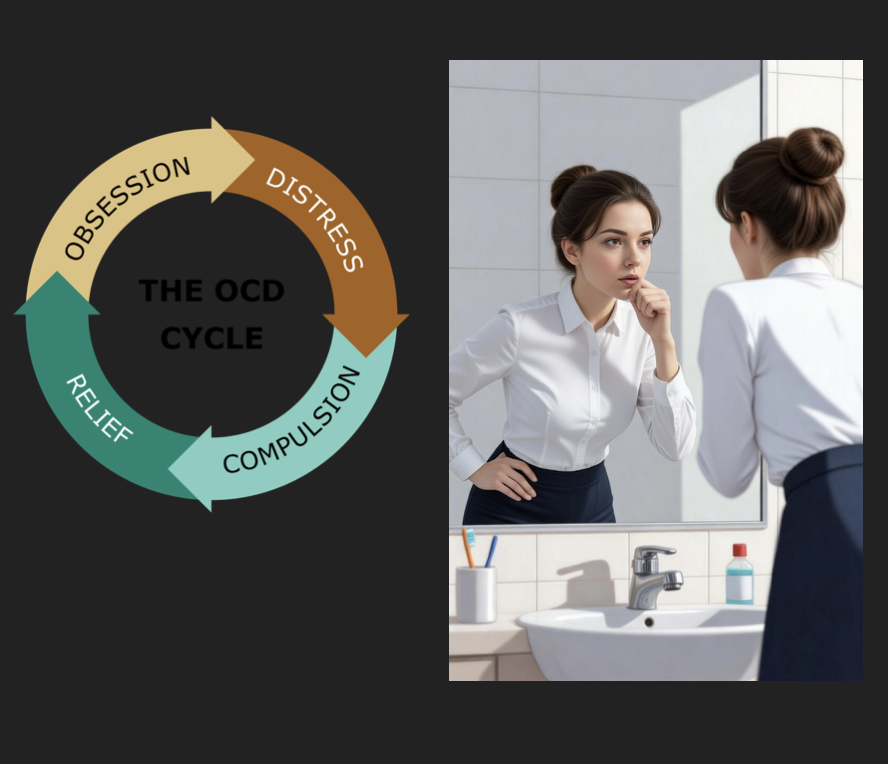
Type 5 Subjective halitosis (bad breath) according to Aydin. A complaint of bad breath without objective evidence.

This can be caused by psychological factors, like obsessive compulsive disorder.  It may cause one to misinterpret others’ behaviour as evidence of bad breath, leading to distress, social isolation, and difficulty in treatment. It can also be caused by damage to the sense of smell. Nearly 200 disorders can cause chemosensory dysfunction that can be […]

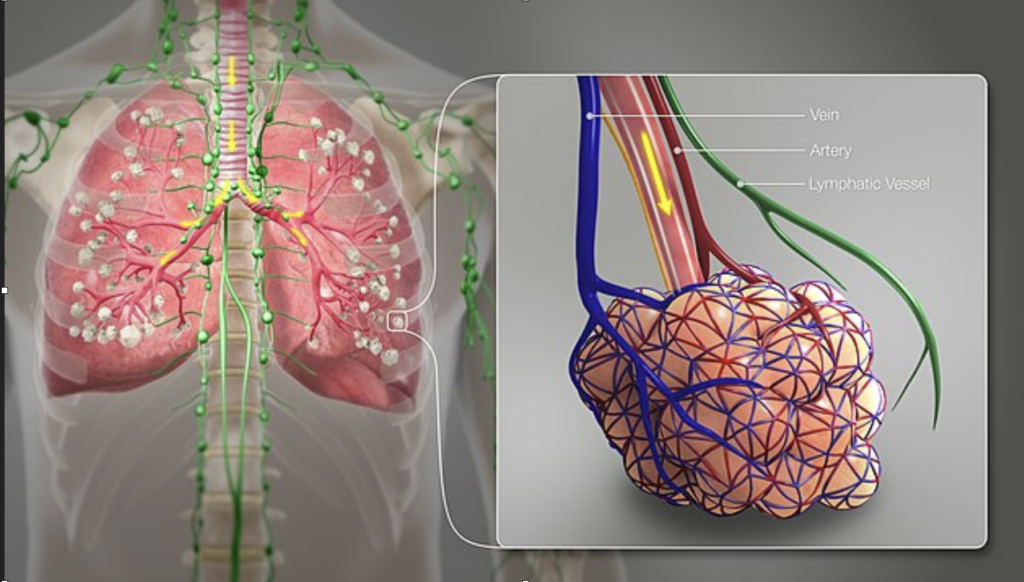
Type 4 Blood-borne halitosis (bad breath) according to Aydin. Source of odor is chemicals in the bloodstream that transfer to the lungs and then are exhaled.

This is caused by volatile chemicals in the circulation that transfer to the lungs during alveolar gas exchange and come out in the breath.  Most of these chemicals are produced by your body.  The concentration of these chemicals in your breath reflect their concentration in your blood.  Some examples of these chemicals include alkanes, hydrocarbons, […]

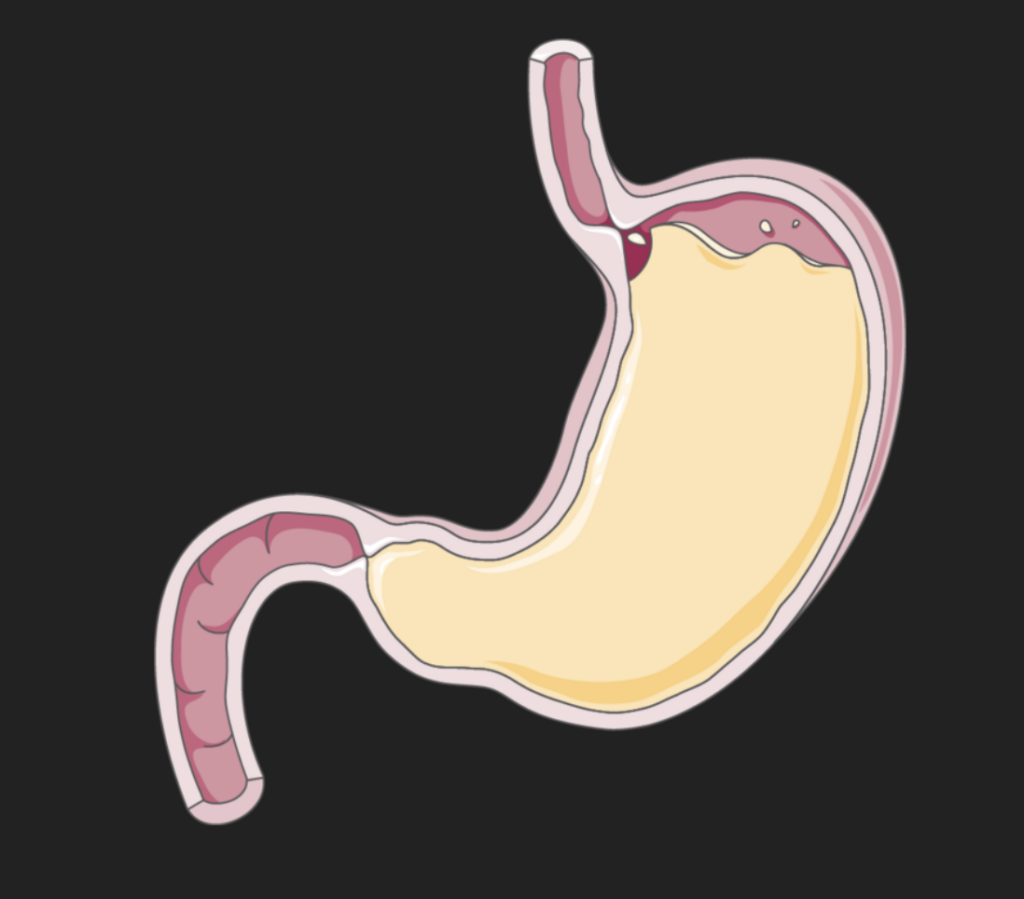
Type 3 Halitosis (Gastroesophageal) based on Aydin 2014). Source of odor is gas leakage from the stomach. 

From the desk of Bassel Paul Gebrael DDS, Dip. Perio, FRCD(C), FICD Type 3 halitosis is caused by the leakage of odorant volatile molecules from the stomach through the esophagus. Gastroesophageal reflux (belching) occurs several times a day and is considered normal. It can produce mild odour as a normal physiological process. Gastroesophageal halitosis can […]

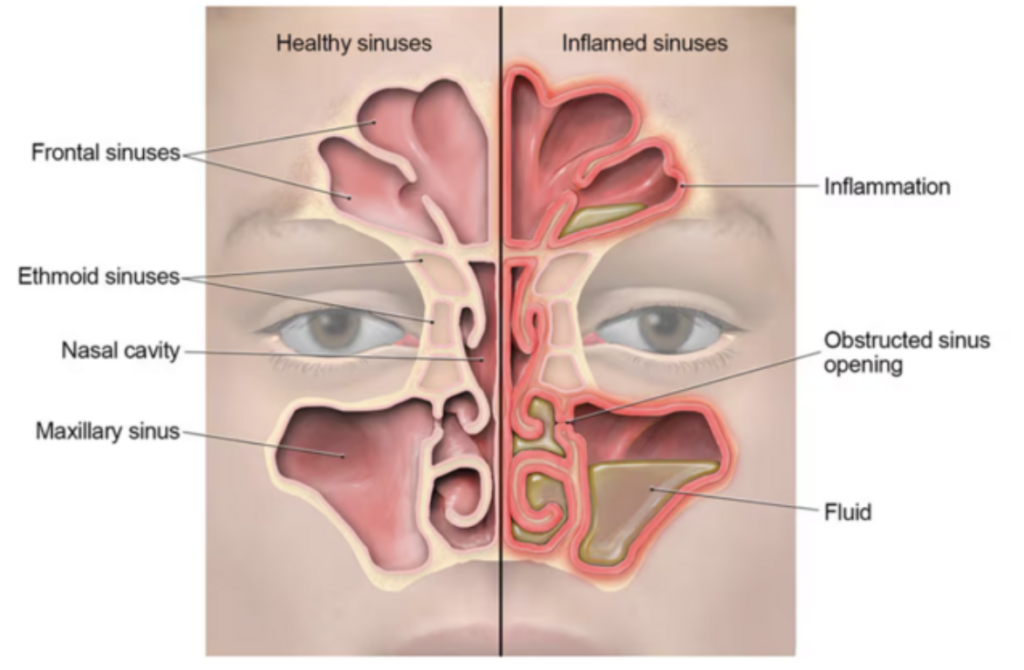
Type 2 Airway Halitosis ( based on Aydin 2014). Source of odor is respiratory tract including sinus and tonsils

From the desk of Bassel Paul Gebrael DDS, Dip. Perio, FRCD(C), FICD Type 2 bad breath originates from the respiratory tract all the way from your nose down to your lungs and could be the result of inflammation due to allergy or obstruction and/or a viral or bacterial infection. This kind of bad breath that […]

Type 1 : Oral halitosis is also called oral malodor and is commonly termed “bad breath”

From the desk of Bassel Paul Gebrael DDS, Dip. Perio, FRCD(C), FICD Bad breath affects an estimated 25 to 40% of population and it’s a common concern that affects quality of life, social interactions and psychological well-being. In these posts, I will explain the different types of bad breath and review the treatment options available. […]

Morning breath? The types of bad breath explained

The gases that come out of the mouth that cause bad breath are volatile sulfur compounds, including hydrogen sulfide and methyl mercaptan. They can be generated by bacteria due to gum infection (gum disease)  Morning breath, which can occur when you wake up, is caused by the breakdown of food particles overnight by bacteria.  The […]